Liver cancer education starts with careful definitions
Primary liver cancer begins in liver cells. Secondary cancers that spread to the liver are a different clinical story, even when everyday language blurs them. Patient education pages such as a liver cancer overview for patients are most helpful when they separate causes, common symptoms, and how staging describes extent, without promising any particular outcome.
Authoritative primers from the U.S. National Cancer Institute, including its what is liver cancer explainer, emphasise that early disease may have few symptoms. Later signs can include unexplained weight loss, abdominal discomfort, jaundice, or swelling. Those signs also appear in many non-cancer conditions, which is why self-diagnosis from a blog list is unsafe.
Families sometimes search aggressively after a single abnormal blood test. That urgency is understandable and still benefits from paced reading. Bookmark two or three reputable explainers, then stop cycling through forums at midnight. Sleep and a scheduled appointment usually clarify more than another hour of conflicting anecdotes.
When reading about causes, notice the difference between risk factors and destiny. Chronic viral hepatitis, heavy alcohol use, metabolic disease, and certain toxins appear in many educational lists. Having a risk factor is not a diagnosis. Clearing risk factors where possible is still wise public-health advice regardless of cancer worry.
Staging language patients often meet
Staging systems describe tumour size, vessel involvement, liver function, and whether disease has spread. Different systems exist, so the letters or numbers on one report may not map neatly onto another pamphlet. Ask the care team which system they are using and what it means for the next tests. Educational writing should explain the idea of staging without turning it into a countdown clock.
The NHS liver cancer condition guide is another plain-language reference for symptoms and general care pathways in a public system context. Pathways differ by country and hospital. Use such guides to prepare questions, not to invent a personal treatment plan.
People with chronic hepatitis or cirrhosis sometimes enter surveillance programmes with ultrasound and blood tests. Whether surveillance applies to you is a clinical decision. Online articles cannot assign you to a programme.
A Mayo Clinic Health Matters discussion of liver cancer risk factors, symptoms, and prevention themes for general audiences.
Prostate cancer pages teach a parallel lesson about screening
Educational hubs often sit beside other tumour-type explainers. A prostate cancer education page may discuss screening debates, urinary symptoms, and staging vocabulary in a male health context. Reading across tumour types can show how “stage” and “grade” are not interchangeable words, which reduces confusion in family conversations.
World Health Organization fact sheets on cancer as a global health topic underline prevention themes such as tobacco control and vaccination where relevant. They are population tools. Individual risk still belongs in a clinic visit with a full history.

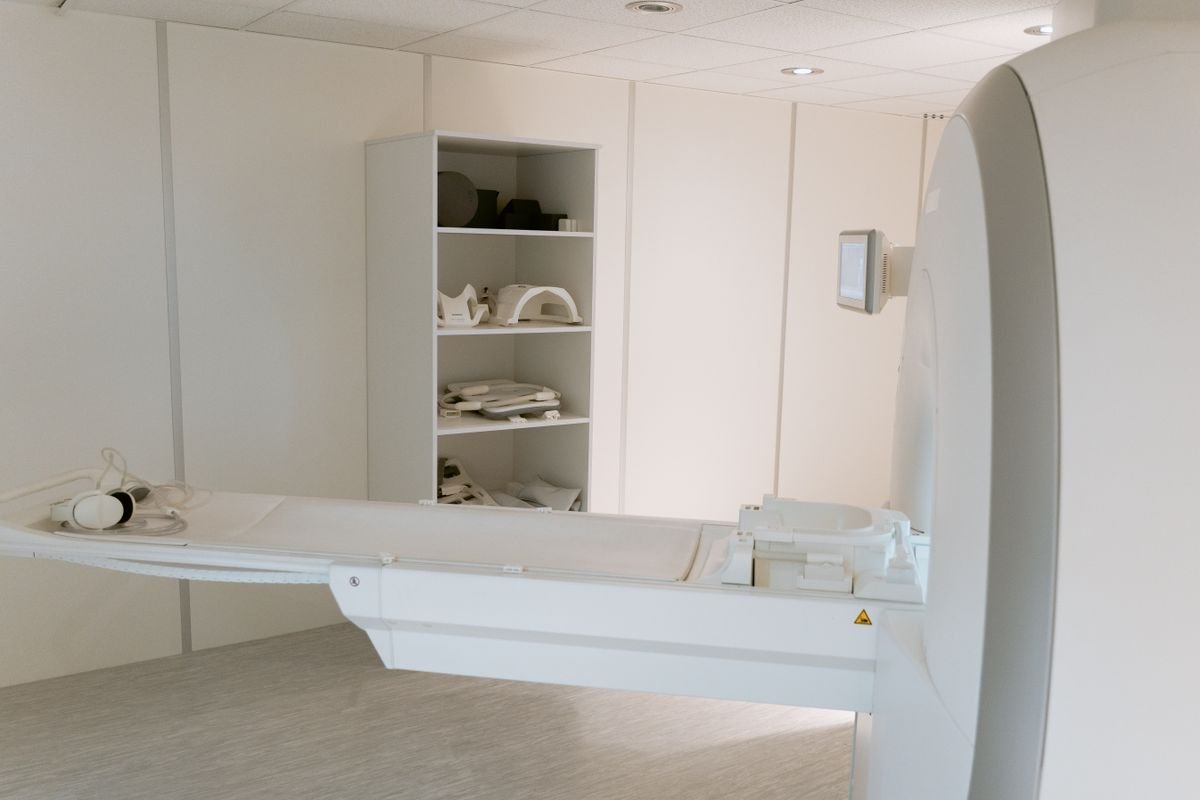
Imaging during planning can feel repetitive to patients who already completed diagnostic scans. The planning process is about shaping the treatment volume and protecting nearby organs. Questions about immobilisation devices, session length, and skin care are reasonable. Questions that demand a numeric dose comparison between hospitals based on internet charts are not something education pages can answer safely.
Radiotherapy explainers without dosing folklore
Radiotherapy uses ionising radiation as part of many cancer care plans. Patient-facing pages such as a radiotherapy patient care overview should describe the general idea of planning scans, fractionation concepts, and common short-term side-effect categories. They should not invite readers to calculate doses or compare machines as if shopping for gadgets.
Side effects depend on the body region treated, prior therapies, and individual health. Online forums often mix experiences from different diagnoses. Treat anecdotes as anecdotes. Ask the treating team what is typical for the prescribed plan, and what symptoms should trigger a call.
If symptoms are severe or rapidly worsening, seek urgent care rather than finishing an article. Education supports ordinary preparation. Emergencies need clinicians and triage, not another browser tab. Keep copies of prior imaging reports on a USB or secure cloud folder so new teams are not starting from incomplete memory.
How to use oncology education responsibly
Prefer sources that date their content and name medical reviewers. Write down medications, prior liver disease, and family history before appointments. Bring a second listener when possible. Educational articles help you ask better questions. They do not diagnose, dose, or schedule care, and they should never be read as a promise of cure or a substitute for urgent evaluation when warning signs appear.









 Johor Bahru (JB) is a vibrant city in Malaysia that has witnessed rapid development in recent years. The market is witnessing a growing trend of new projects and launches as the demand for residential properties continues to rise. Serviced apartments are becoming increasingly prevalent, offering a convenient and flexible living option.